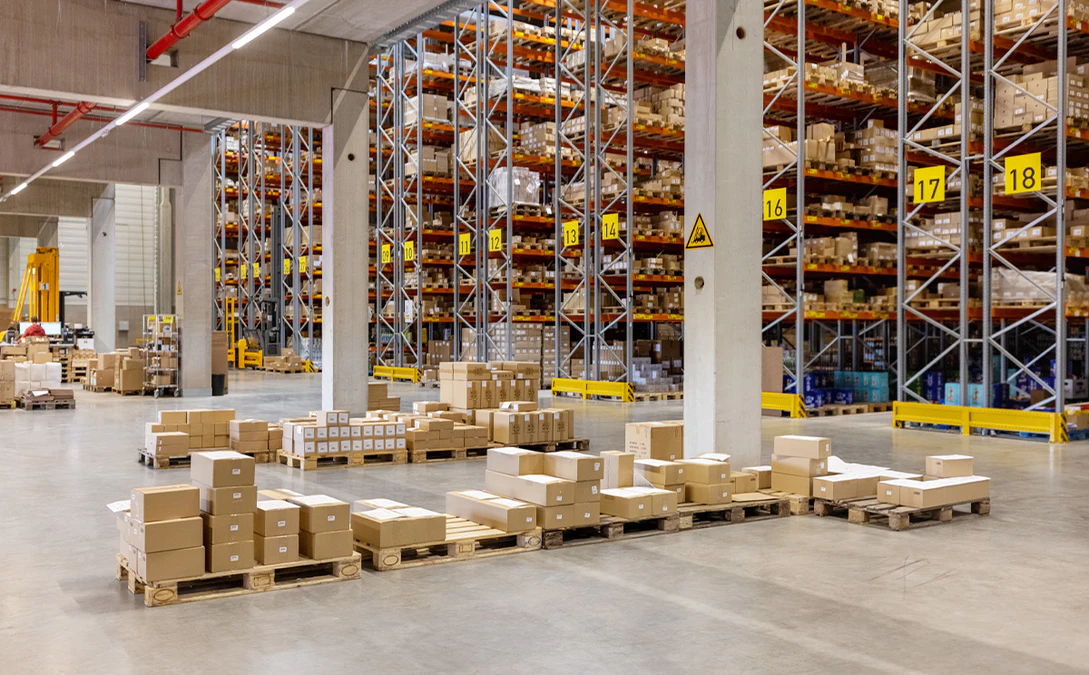
Logistics land is the quiet constraint on Hong Kong’s cargo capacity
Warehouse space near the border shapes what a Hong Kong operator can realistically offer. Why land supply matters more to cargo planning than most shippers expect.
Read the release
Start typing to search the site.

Warehouse space near the border shapes what a Hong Kong operator can realistically offer. Why land supply matters more to cargo planning than most shippers expect.
Read the releaseDigital title documents can cut days out of a transaction. The practical obstacle is rarely the technology — it is getting every counterparty and bank onto the same platform.
Read the releaseOur commentary on the HKTDC Export Confidence Index for Q1 2026 — why headline caution masks stabilising sub-indices, and where the structural bright spots sit.
Read the releaseExport controls and sanctions exposure are best handled where the deal is structured, not at the point of loading. How we build screening into the transaction itself.
Read the releaseAn AOG event is a logistics problem with an hourly price tag. A walk through how a time-critical aviation part moves, and where the hours are usually lost.
Read the releaseWith several major ports and airports within a short drive of each other, the interesting question is no longer which city — it is which gateway for which consignment.
Read the releaseRecovered subsea hardware, properly assessed and recertified, can beat new-build lead times outright. The discipline is in the inspection regime.
Read the releaseBattery-powered equipment sits inside more consignments every year. Getting the classification and packing right is not paperwork — it is what keeps the cargo moving.
Read the releaseBetween signing a shipbuilding contract and taking delivery sit two to three years of decisions. A look at the supervision role that protects the owner through them.
Read the releaseThe mode decision is usually made on freight cost alone. Landed cost, working capital and schedule risk often point somewhere else entirely.
Read the releaseFor aviation spares and high-value components, the value of a hub is frequency and predictability rather than raw distance. Hong Kong scores unusually well on both.
Read the releaseWhen a vessel gets into difficulty, cargo owners can be asked to contribute to the costs — even if their own goods are untouched. Worth understanding before it happens.
Read the releaseHong Kong’s trade arrangement with the Mainland can offer real advantages — provided the origin, classification and documentation genuinely line up.
Read the releaseHKTDC projects solid export growth for Hong Kong in 2026. Our read on what the AI hardware cycle and intra-Asian demand mean for supply chain planning.
Read the releaseCross-border e-commerce has changed the composition of air cargo and the economics of consolidation. What it means for shippers moving conventional freight.
Read the releaseThe two terms get used loosely, and the difference has real consequences for duty timing, permitted processing and how cargo can be sold on.
Read the releaseHong Kong levies no customs tariff on general imports and exports. For re-export structuring, that single fact does more work than any incentive scheme.
Read the releasePort delay is not random noise. It clusters in predictable places, and a schedule built with that in mind survives contact with reality.
Read the releaseEvery field that comes offline releases serviceable hardware. Treating that stream as procurement rather than scrap shortens lead times materially.
Read the releaseContainer availability swings on a rhythm driven by trade imbalance and repositioning cost. Knowing the rhythm is worth more than reacting to the headline.
Read the releaseThe choice looks like a pricing decision. It is really a decision about who absorbs delay, bunker movement and port cost.
Read the releaseThe HS code drives duty, licensing and admissibility. Deciding it late means pricing a shipment before you know what it costs.
Read the releaseHong Kong’s open financial system makes multi-currency settlement straightforward. That flexibility is only useful if it is negotiated deliberately.
Read the releaseTrade finance applications stall on the same handful of gaps. Knowing them in advance turns weeks of back-and-forth into days.
Read the releaseIn-transit, bonded and free zone storage sound interchangeable. They differ in duration, permitted activity and duty timing.
Read the releaseFleet growth in the region has outpaced maintenance capacity in places. That shapes where parts need to be, and when.
Read the releaseHong Kong handles severe weather with a well-drilled system. Understanding it turns an unpredictable risk into a manageable one.
Read the releaseA few hundred dollars of survey at origin routinely prevents an argument worth many times that at destination.
Read the releaseContainerisation is the default for good reason, but not every cargo belongs in one. The exceptions are worth recognising early.
Read the releaseAn origin document is only as good as the processing behind it. Transiting a place is not the same as originating there.
Read the releaseDispute resolution is a clause nobody reads until it matters. Its wording decides how a disagreement actually ends.
Read the releaseDocumentary credit buys security at the price of complexity. Open account reverses the trade. Most relationships eventually move between them.
Read the releaseFactories close, shipments front-load, capacity tightens, then everything goes quiet. Planning for it is straightforward; ignoring it is not.
Read the releaseMost Incoterms disputes come from a handful of recurring misunderstandings about where risk transfers and who insures.
Read the releaseAir freight capacity is shaped by the cargo that competes for it. Knowing the mix explains a lot about availability and price.
Read the releaseThe reasons are unglamorous and durable: no tariff on general goods, no exchange control, a familiar legal system and banks that understand trade.
Read the releaseA large share of the cargo crossing Hong Kong never enters the local economy. That distinction changes how consolidation should be planned.
Read the releaseA new Hong Kong firm bringing logistics, offshore engineering supply, aviation components and trade structuring under one roof.
Read the releaseEditorial commentary by Harbour Strategies. Figures and regulatory details should be verified against primary sources before being relied upon.

Get in touch
Tell us about the project — routing, sourcing, compliance or all three. We will come back with a route through it.