A bonded warehouse and a free trade zone both allow goods to be held without immediate payment of import duty, which is why the terms get swapped around. The differences matter once you need to do anything with the cargo beyond storing it.
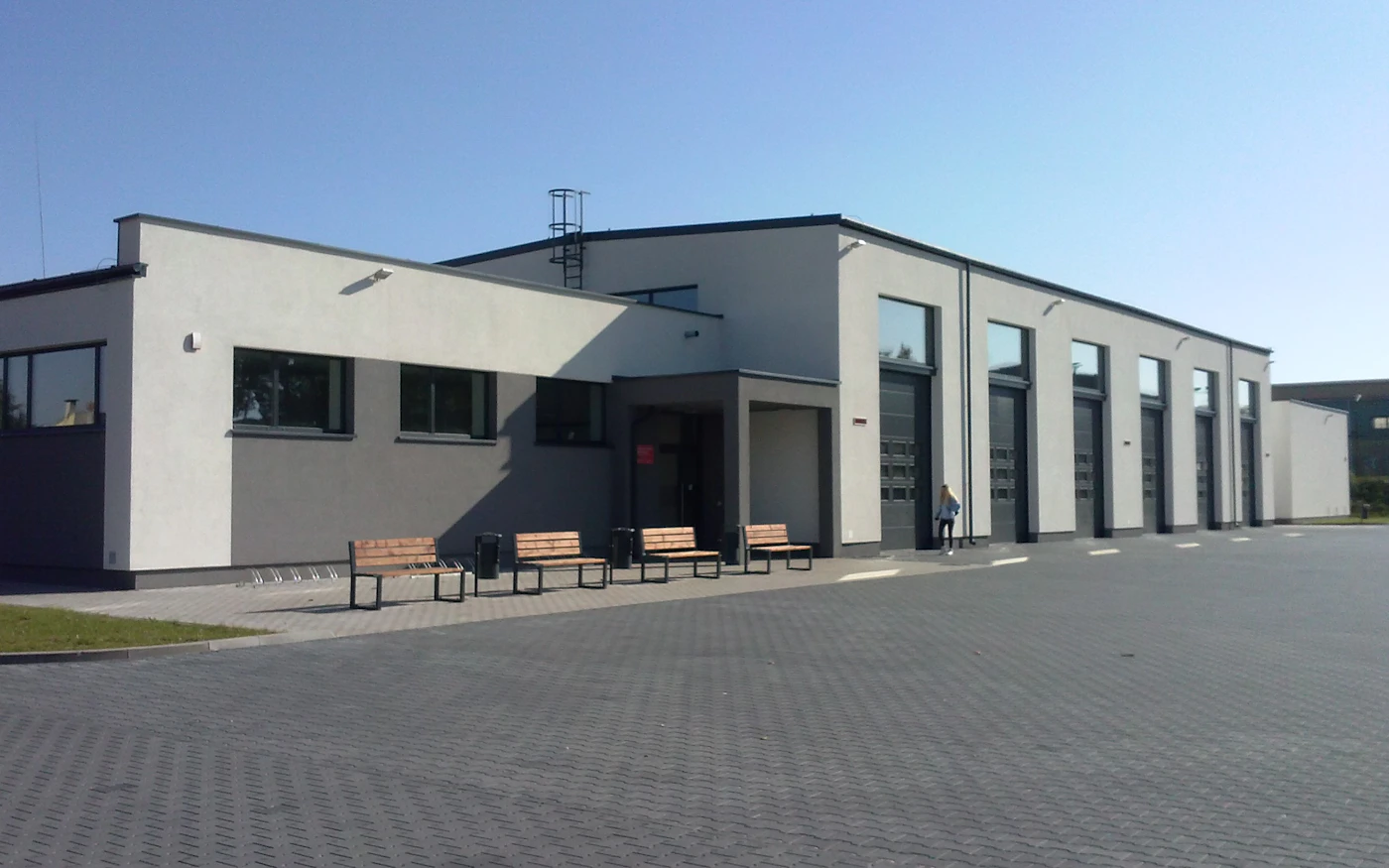
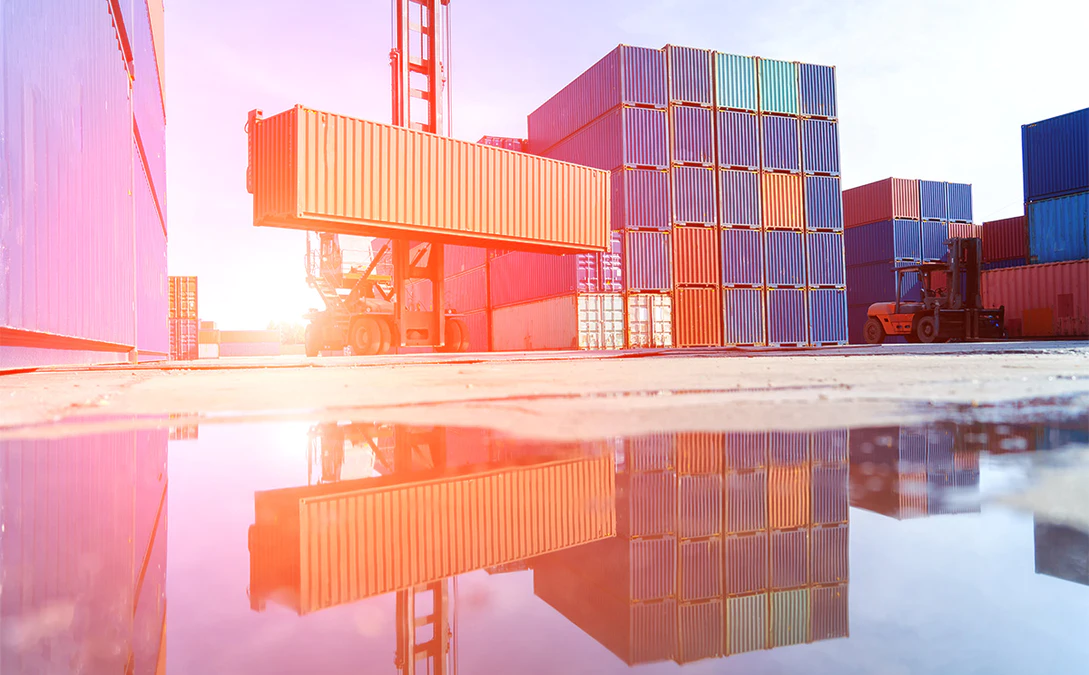
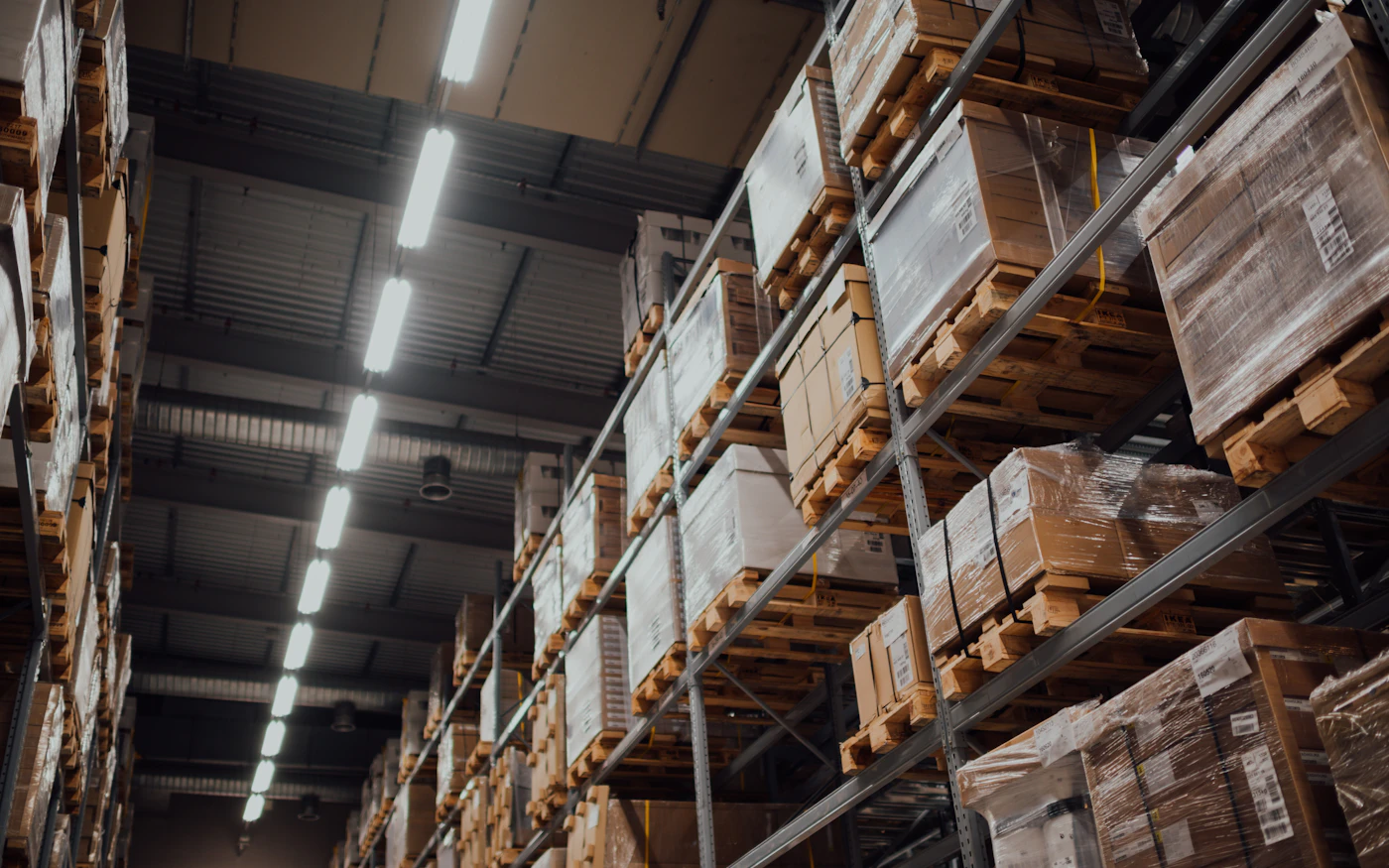
A bonded warehouse is generally a licensed storage facility inside the customs territory. Duty is suspended until the goods are withdrawn for home use, and permitted activity is usually limited to storage and simple handling. A free trade or free zone is typically treated as outside the customs territory for duty purposes, and often permits substantially more: processing, assembly, relabelling, sometimes manufacturing, with goods able to change ownership while still in the zone. The specifics vary considerably between Hong Kong, Singapore, the UAE and the Mainland FTZs, and the differences are not cosmetic.
Choosing between them is really a question about what the cargo needs to have done to it, and where the sale happens. If goods will be consolidated, reconfigured or sold on before entering a market, a zone regime is usually the right structure. If the requirement is simply to defer duty until demand is confirmed, a bonded facility is simpler and cheaper. We map this against the actual commercial plan rather than defaulting to whichever the client used last time.
Harbour Strategies (HK) Limited · 25 November 2025
Editorial commentary by Harbour Strategies. Figures and regulatory details should be verified against primary sources before being relied upon.