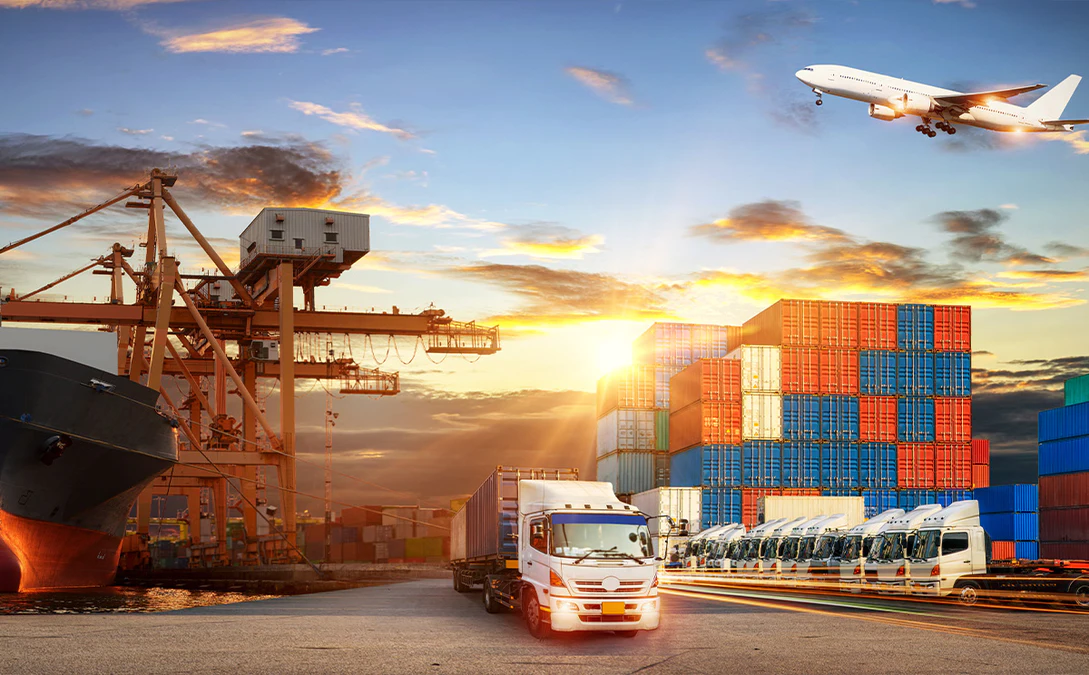
Hong Kong operates as a free port. With limited exceptions — notably liquor, tobacco, hydrocarbon oil and methyl alcohol, which attract excise duties — general merchandise moves in and out without customs tariff. There is no import quota regime for general goods, and no requirement to be a local company to trade. It is an unusually simple starting position by international standards.
Zero
Customs tariff on general imports and exports
Four
Categories carrying excise duty: liquor, tobacco, hydrocarbon oil, methyl alcohol
None
Exchange controls on moving funds in or out
For our work, the consequence is that cargo can transit without becoming a taxable import event. Goods can arrive, be stored, consolidated, deconsolidated, inspected and re-exported without a duty cost being incurred and reclaimed. That removes an entire category of working capital drag and administrative friction from a re-export structure, which is precisely why so much regional cargo is routed this way rather than shipped point to point.
Free port status is not a loophole and it is not a substitute for compliance. Declarations are still required, strategic and dual-use goods still need licences, and prohibited items are still prohibited. What it does provide is a clean, predictable base layer on which more complex arrangements — bonded staging, cross-currency settlement, deferred supplier payment — can be built without fighting the tax treatment at every step.
Harbour Strategies (HK) Limited · 4 November 2025
Editorial commentary by Harbour Strategies. Figures and regulatory details should be verified against primary sources before being relied upon.