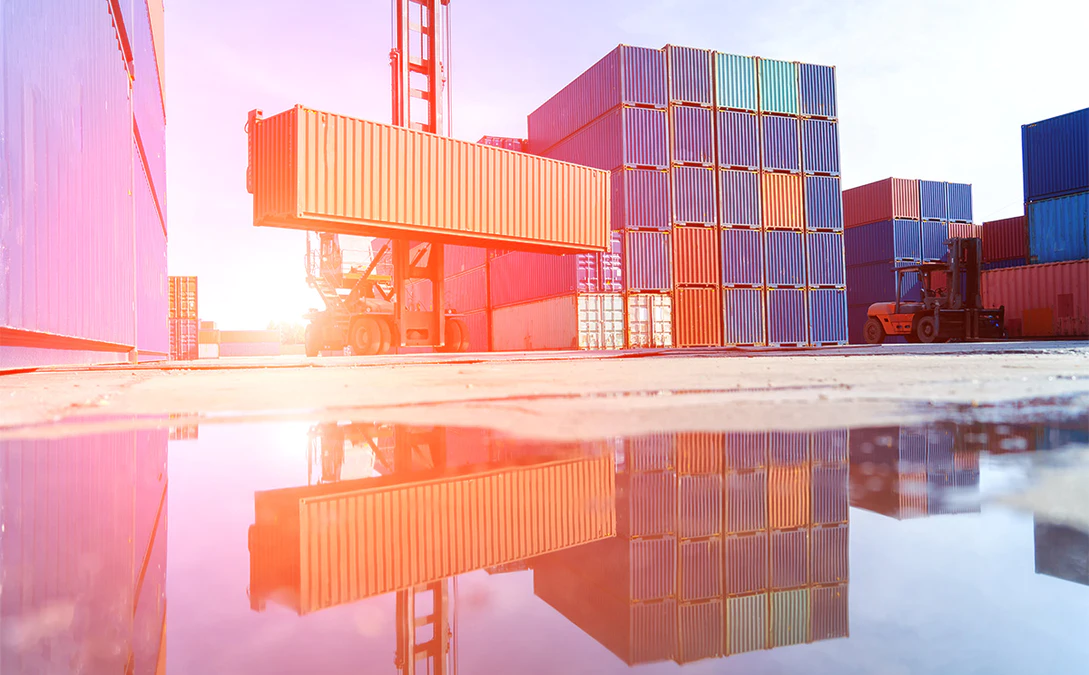
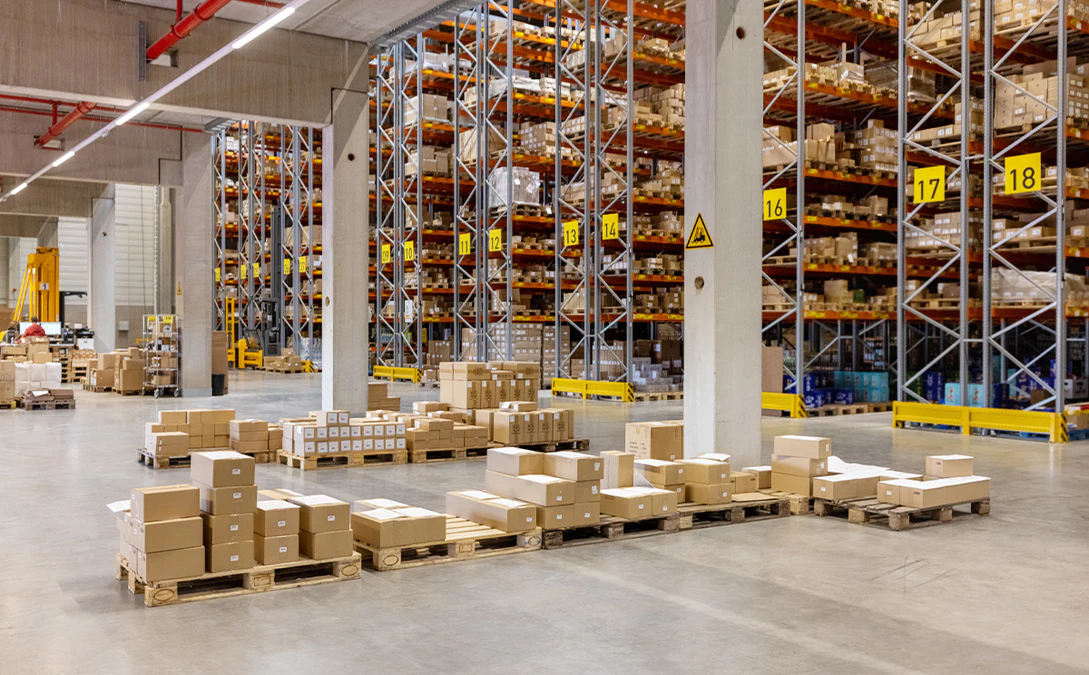
The growth of cross-border e-commerce has done something structural to air freight: it has added enormous volumes of low-weight, high-frequency, individually addressed consignments to a network built around consolidated commercial shipments. That competes for the same aircraft capacity, particularly on the lanes out of southern China and Hong Kong.
For conventional shippers the effects are indirect but real. Peak-season capacity is tighter and prices firmer on affected routes. Handling priority at terminals can shift. At the same time, the customs infrastructure built to process high parcel volumes — simplified declarations, pre-arrival data, automated risk assessment — tends to improve clearance for everyone using the same gateway.
For exporters, the more interesting angle is strategic rather than operational. E-commerce channels give manufacturers and trading firms a route to end customers that does not depend on a traditional distributor relationship. We have seen clients use it to test demand in a new market at low commitment before building conventional supply. It is not a replacement for a proper channel, but it is an unusually cheap way to find out whether one is worth building.
Harbour Strategies (HK) Limited · 16 December 2025
Editorial commentary by Harbour Strategies. Figures and regulatory details should be verified against primary sources before being relied upon.