
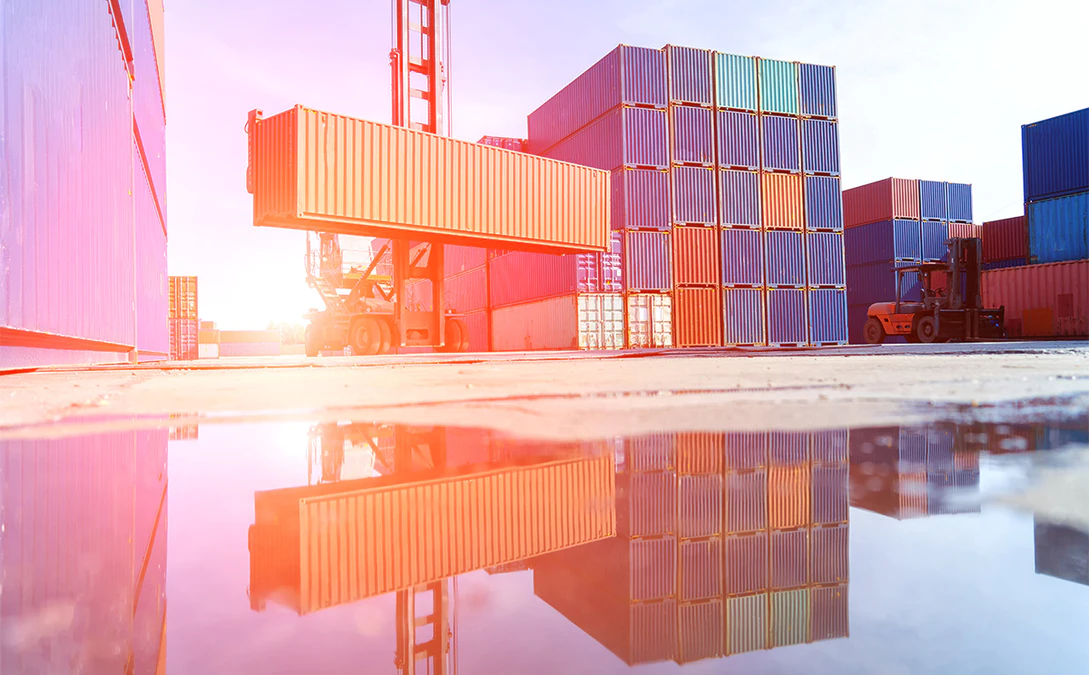
The cluster of cities around the Pearl River Delta contains some of the busiest container ports and air cargo hubs in the world, within remarkably short distances of one another. For a shipper that concentration is an advantage, but it also makes routing a genuine optimisation problem rather than a default.
The variables are practical. Hong Kong offers free port treatment, deep long-haul air connectivity and a familiar legal environment. Mainland gateways can offer cost advantages and direct access to domestic distribution. Cross-boundary trucking, barge feeder services and the customs facilitation arrangements between them all shift the calculation depending on cargo value, urgency, tariff treatment and whether the goods are ultimately staying in the Mainland or moving on.
We do not have a house preference, and we are suspicious of anyone who does. The right answer changes per consignment and sometimes per season. What we do insist on is modelling the alternatives properly — including the customs and documentation consequences of each — before a lane is fixed, because switching a routing mid-programme is far more expensive than choosing carefully at the start.
Harbour Strategies (HK) Limited · 5 May 2026
Editorial commentary by Harbour Strategies. Figures and regulatory details should be verified against primary sources before being relied upon.